
The psychology behind gambling understanding the emotional stakes
Understanding the Emotional Connection to Gambling
Gambling is not merely a game of chance; it is deeply intertwined with emotions and psychological factors. Many individuals are drawn to gambling as a way to escape their daily stressors, seeking a rush of adrenaline or a temporary relief from reality. This emotional connection can create a powerful allure, as players often associate gambling with fun, excitement, and an escape from mundane life. Understanding the intricacies of this emotional relationship is crucial for recognizing why many are enticed to gamble, often against their better judgment. With the convenience of mobile gaming, the https://pincocanada.ca/app/ offers one such avenue that combines excitement with accessibility.
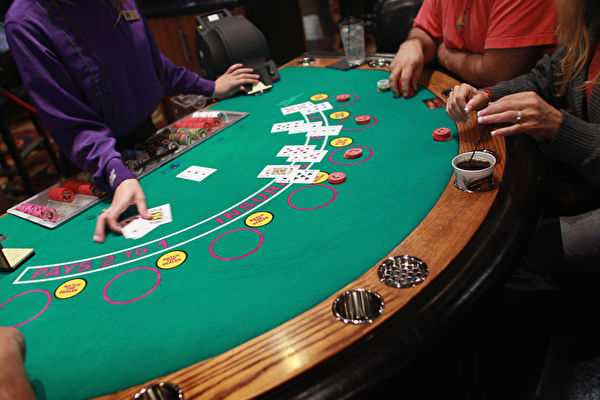
The thrill of risk and the possibility of winning can trigger positive emotions, such as joy and excitement. However, this emotional high can also lead to negative experiences if gambling becomes problematic. For many, the emotional stakes in gambling are magnified, turning a simple pastime into a compulsive behavior that can adversely affect mental health. Recognizing these emotional triggers helps to illuminate the psychological landscape of gambling, revealing why some individuals may struggle to control their impulses. This is particularly relevant for users of the Pinco App, which caters to such emotions.
Moreover, emotions play a significant role in decision-making processes within gambling contexts. Players often engage in “emotion-driven” decisions, such as chasing losses or doubling down on bets when they feel particularly lucky. This emotional variability can lead to cycles of both euphoria and despair, impacting the players’ overall well-being. Understanding these emotions not only helps players recognize their behaviors but also facilitates the development of healthier approaches to gambling, especially while using the App Pinco.
The Role of Cognitive Biases in Gambling
Cognitive biases significantly influence how individuals perceive gambling outcomes, often skewing their judgment. One of the most prevalent biases is the illusion of control, where gamblers believe they can influence the outcome of a game through their skill or strategy, even in games of chance. This belief can lead to increased betting and ultimately to problematic gambling behaviors. Players may feel empowered by their perceived control, ignoring the random nature of games and the mathematical odds stacked against them.
Another common cognitive distortion is the gambler’s fallacy, where individuals believe that past events will influence future outcomes. For instance, a player may assume that after a string of losses, a win is “due.” This misconception can lead to significant financial losses, as players continue to gamble, convinced that luck will soon turn in their favor. By debunking these cognitive biases, individuals can develop a more realistic understanding of gambling, potentially mitigating harmful habits, particularly those who engage with the Pinco Casino App.
Furthermore, confirmation bias may lead gamblers to only seek out information that supports their winning strategies while ignoring evidence of loss. This selective perception enhances their emotional investment in gambling and can create a distorted sense of reality regarding their success. By recognizing these cognitive biases, gamblers can begin to develop a healthier relationship with gambling, promoting responsible behavior and a more balanced perspective.
The Social Aspects of Gambling
The social environment plays a crucial role in gambling behavior, affecting emotional stakes and overall experiences. For many, gambling is a social activity, often enjoyed in group settings such as casinos, online platforms, or betting parlors. The camaraderie shared with fellow gamblers can enhance the thrill of the game, making it more enjoyable and emotionally fulfilling. However, this social aspect can also reinforce unhealthy habits, as players may feel pressured to continue gambling to maintain social bonds.
Additionally, gambling can serve as a social lubricant, allowing individuals to connect with others in a fun and relaxed environment. This social interaction often leads to shared experiences that amplify both the excitement of winning and the disappointment of losing. It is essential to recognize that the emotional stakes are not only tied to personal wins or losses but are also influenced by the dynamics of social interactions, highlighting the need for awareness in group gambling settings.
The rise of online gambling has further transformed the social landscape, as players can engage with a broader community. While this opens up new opportunities for social interaction, it can also lead to isolation for some players who may find themselves gambling alone for extended periods. Understanding the social implications of gambling helps to inform better practices and encourages players to prioritize healthy social interactions and responsible gambling behaviors.
Emotional Regulation and Gambling Behavior
Emotional regulation is a critical factor in determining how individuals approach gambling. Those who struggle with managing their emotions may find themselves gravitating toward gambling as a coping mechanism. For instance, someone experiencing anxiety might gamble to temporarily escape from their problems, while another person might turn to gambling during periods of depression, seeking a thrill that can momentarily lift their spirits. Such patterns can lead to a cycle of gambling that becomes increasingly difficult to break.
Developing effective emotional regulation strategies can significantly improve a person’s relationship with gambling. Techniques such as mindfulness, cognitive restructuring, and stress management can empower individuals to handle their emotions without resorting to gambling. Recognizing the triggers that lead to gambling behaviors allows individuals to make more informed decisions, reducing the emotional stakes associated with their gambling habits. Players who utilize the App Pinco might especially benefit from these strategies.
Moreover, seeking professional help can be instrumental in addressing underlying emotional issues related to gambling. Therapists and counselors can provide tools and resources to help individuals navigate their emotions, fostering healthier coping mechanisms and reducing reliance on gambling. A supportive environment encourages individuals to address their emotions constructively, ultimately leading to a more balanced approach to gambling.

Exploring the Pinco Casino App Experience
The Pinco Casino App provides an innovative platform for gambling enthusiasts, allowing players to engage in a diverse range of games from the comfort of their own homes. With access to over 5,100 games and 35+ sports markets, the app caters to a wide array of interests and preferences. This extensive selection not only enhances the overall experience but also allows players to explore different gaming styles, promoting a more enriching engagement with gambling.
Moreover, the App Pinco Casino is designed with user experience in mind, featuring a quick-loading interface and exclusive mobile bonuses that enhance gameplay. The intuitive layout enables players to navigate effortlessly through their favorite games, minimizing frustration and maximizing enjoyment. This attention to detail ensures that emotional stakes are managed effectively, allowing players to focus on the thrill of gaming without the added stress of cumbersome technology.
Additionally, the app emphasizes security, providing players with a safe environment for their gambling activities. By ensuring that personal and financial information is protected, the Pinco Casino App builds trust within its community, allowing users to engage in gambling with confidence. This focus on safety and user experience underscores the importance of responsible gambling practices, encouraging players to enjoy the emotional highs of gaming while maintaining a balanced approach to their habits.